Your EPC rating gives a simple A to G score for how energy efficient your home is, and insulation is one of the main things that feeds into it. Loft and wall insulation reduce the heat a home loses, so they can make a noticeable difference to the rating, but how much depends a great deal on the home and what was there before.
In this guide we explain what an Energy Performance Certificate measures, how insulation is assessed, why results vary and what you can do to make sure your certificate is accurate.
- An EPC rates a home from A (most efficient) to G, based on estimated energy costs under standard conditions.
- Loft and wall insulation are both assessed, and can improve a rating, especially where there was little or none before.
- The effect varies with the starting point, the type of home and the heating system.
- Assessors increasingly rely on evidence, so keep paperwork and photos of insulation work.
What an EPC rating measures
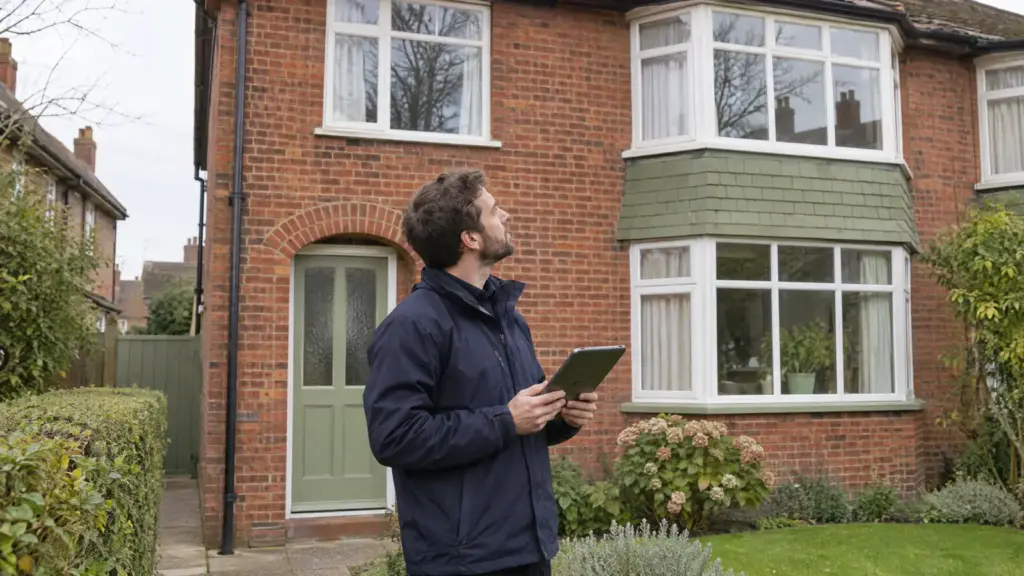
An Energy Performance Certificate is needed when a home is sold or let, and it is valid for 10 years. It is produced by an accredited domestic energy assessor, who visits the property and records details such as its age, construction, insulation, windows, heating system and hot water.
For existing homes, those details are fed into a government-approved calculation known as RdSAP, which was updated in 2025. The result is an estimate of how much energy the home would use, and what it would cost to run, if it were occupied in a standard way. That is why your EPC rating can differ from your actual bills: it describes the building, not how you live in it. The certificate also lists recommended improvements and a “potential” rating, which is an estimate of what could be achieved.
How insulation affects your EPC rating
Insulation reduces the heat that escapes through the main parts of your home, which lowers its estimated energy use. The main types assessed on an EPC are:
- Loft insulation. The assessor records the depth of insulation in the loft, or the insulation in a room in the roof.
- Cavity wall insulation. Filled cavities are recorded where they can be identified or evidenced.
- Solid wall insulation. Internal or external wall insulation on solid walls is recorded where it can be seen or evidenced.
- Floor insulation. Insulation under suspended timber floors can also be taken into account.
How much any one improvement changes the rating depends on the starting point. Insulating a loft that has little or nothing in it, or a solid wall that was previously uninsulated, tends to have a bigger effect than topping up insulation that is already reasonable. The heating system, glazing and type of property also play a big part, so the same work can move two homes by different amounts.
Loft insulation and your EPC
Loft insulation is usually the easiest measure for an assessor to check, because it can often be seen and measured directly. To help the assessment reflect what is really there:
- Safe access. Make sure the loft hatch can be opened and there is a safe place to stand and look.
- Visible insulation. If the loft is fully boarded, the depth underneath may not be measurable.
- Paperwork. Keep invoices or certificates showing what was installed and when.
- Photos. Photos taken during installation, showing the depth, can help where the insulation is now hidden.
- Rooms in the roof. Insulation in sloping ceilings and walls of loft rooms is harder to see, so evidence matters even more.
- Even coverage. Insulation should cover the whole loft floor, including the edges and the hatch.
Good to know: the current assessment method relies more heavily on evidence. If an assessor cannot see the insulation or confirm it from paperwork, they may have to use standard assumptions based on when the home was built, which might not reflect the work you have had done.
Wall insulation and your EPC
Cavity walls. If your walls have a cavity, cavity wall insulation is often a cost-effective improvement. Assessors look for signs such as drill holes in the mortar, but a guarantee or installation certificate is the clearest evidence.
Solid walls. Walls with no cavity lose heat more readily, so insulating them can make a meaningful difference to the rating. Internal wall insulation is fitted inside the room and external wall insulation is fixed to the outside, and both should be recorded where the assessor can see or evidence them.
Hidden insulation. Internal wall insulation in particular can be hard to spot once it is plastered and decorated, so keep the specification, invoices and photos from the work.
Why your rating may not change as much as you expect
It is common to expect a big jump in rating after insulation work, and sometimes that happens. Often, though, the change is more modest, for reasons such as these:
- A good starting point. If the home already had reasonable insulation, extra insulation adds less to the score.
- Other factors matter. The heating system, hot water, glazing and ventilation all feed into the calculation.
- Missing evidence. If the assessor cannot see or verify the insulation, it may not be credited in full.
That is why we would always look at the whole home rather than one measure in isolation. You can read about our loft insulation service or see how our assessment works. For loft work aimed at your rating, see EPC loft insulation.
Getting an accurate EPC
An EPC can only reflect what the assessor is able to see or verify on the day. A little preparation can make it more accurate:
- Gather invoices, guarantees and certificates for insulation, windows and heating before the visit.
- Make sure the loft, boiler and meters can be reached safely.
- Keep photos of any insulation that is now hidden behind boards, plaster or render.
- Mention any work carried out since your last EPC was produced.
- Use an accredited assessor and check the certificate details once it is lodged.
EPC ratings for landlords
If you let a home in England or Wales, it currently needs an EPC rating of at least E, unless a valid exemption applies. In January 2026 the government confirmed its intention to raise this to band C by 2030, with the details to be set out in new legislation, and it is also reforming how EPCs present their results. Because these rules are still being finalised, check GOV.UK for the latest position. If you would like to talk through insulation options for a rented property in Berkshire, contact us.
Frequently asked questions
Does loft insulation improve your EPC rating?
It can, particularly if the loft had little or no insulation before. If the loft was already reasonably insulated, a top-up usually makes a smaller difference.
Can wall insulation improve an EPC rating?
Yes. Filling cavity walls or insulating solid walls reduces heat loss and can improve the rating. How much depends on the home and how well the insulation can be evidenced.
How many points will insulation add to my EPC?
There is no fixed figure. The change depends on the starting point, the type of home, the heating system and what the assessor can see or verify, so be cautious of anyone promising a specific result.
Do I need a new EPC after installing insulation?
Not unless you are selling or letting, but an updated EPC will reflect the work. A certificate is valid for 10 years, so an older one will not show recent improvements.
Why did my EPC not show my insulation?
The assessor may not have been able to see it or find evidence of it, for example under loft boards or behind plaster. Paperwork and photos from the installation can help.
What EPC rating do landlords need?
Privately rented homes in England and Wales currently need at least an E, unless exempt. The government has confirmed plans to raise this to C by 2030, so check GOV.UK for the latest rules.
This guide is general information for UK homeowners and landlords, written in our own words. It is not an energy assessment, and we cannot predict the EPC rating a particular home will achieve. The organisations mentioned in this guide have not reviewed or endorsed it or our services. Read more homeowner guides, or explore all our services. You may also find our guide to what loft insulation is and why it matters useful.