How an EPC looks at your loft
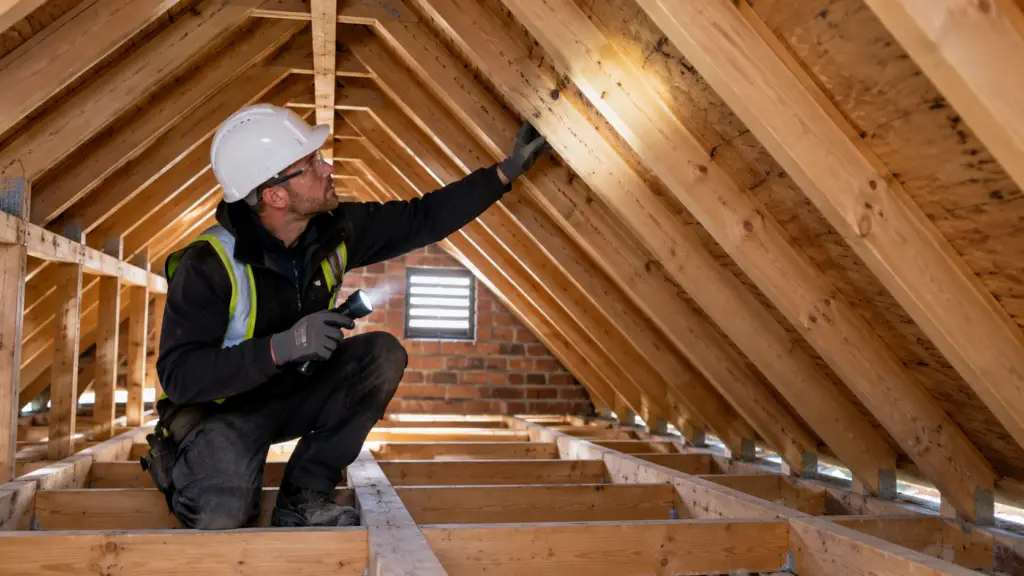
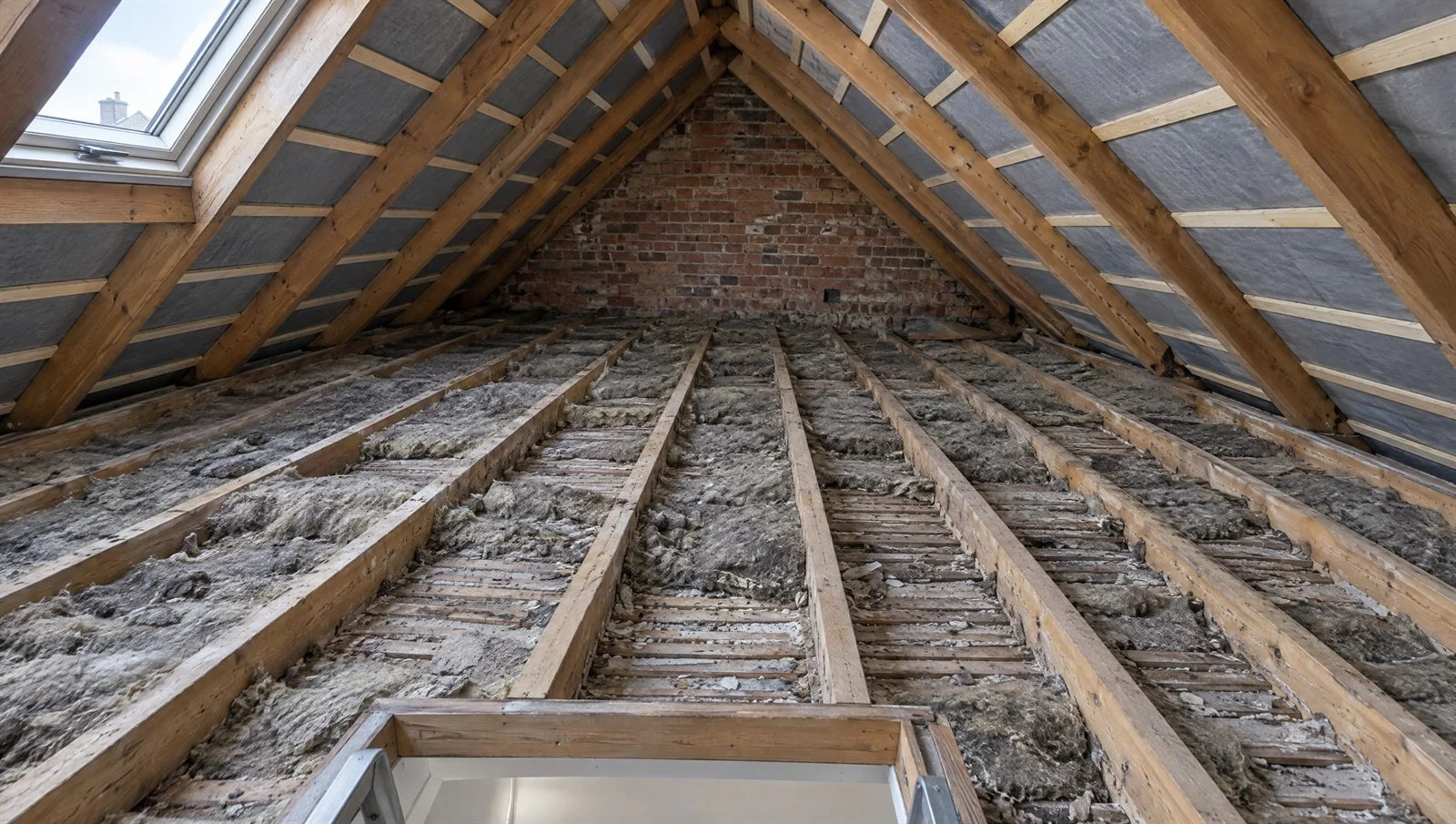
Existing homes are assessed using RdSAP (Reduced Data SAP). The assessor records the roof type and the depth of insulation they can see, then the software estimates heat loss. When the loft cannot be accessed or the depth cannot be confirmed, the assessor may have to rely on assumed values for the age of the property, which can undersell a well-insulated loft.
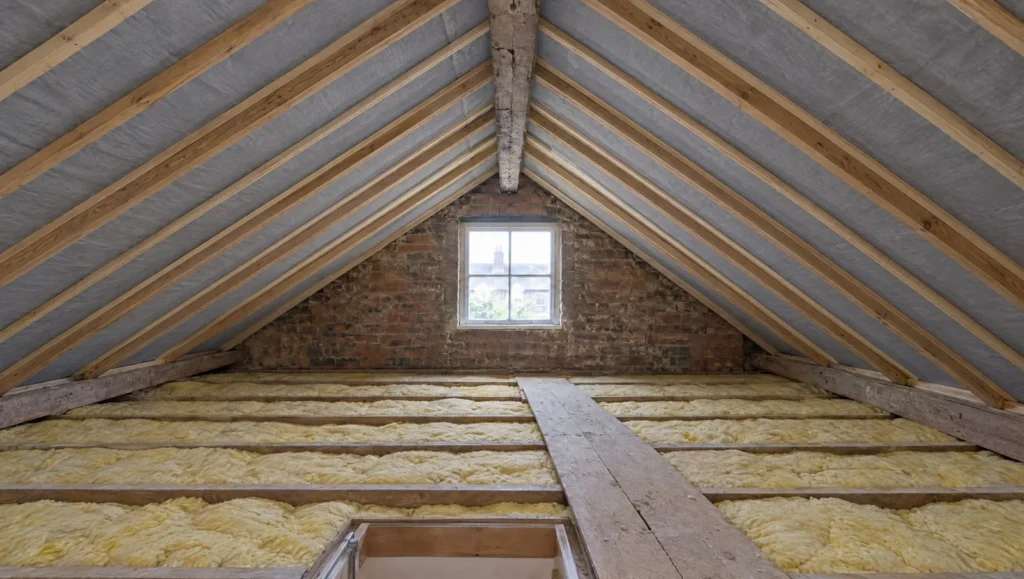
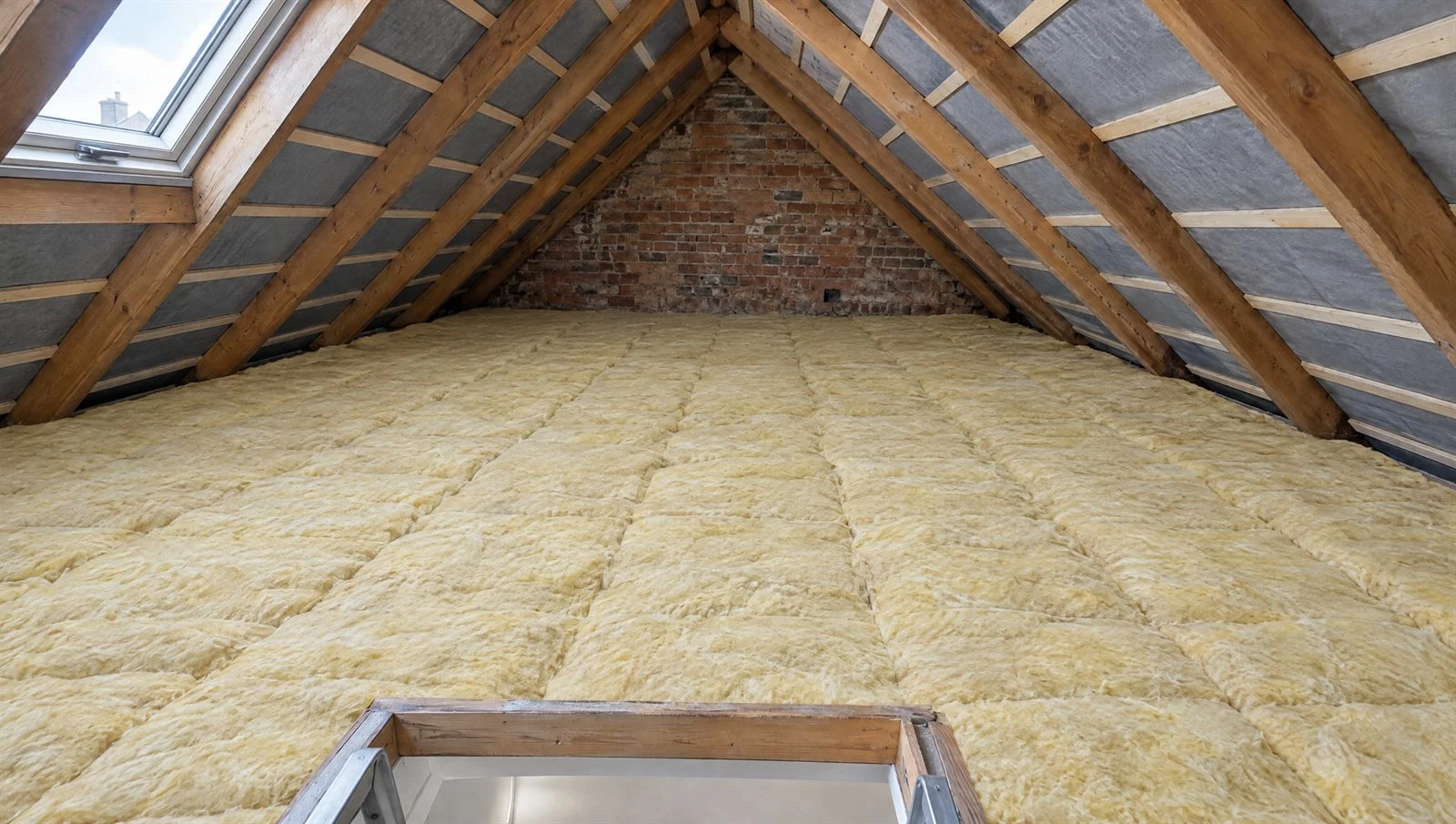
For mineral wool laid between and over the joists, around 270mm is the commonly recommended depth, and RdSAP typically recommends a top-up where existing insulation is 150mm or less. When an existing roof is upgraded, Building Regulations guidance (Approved Document L) uses an improved U-value of 0.16 W/m²K for the roof.
How many EPC points can loft insulation add?
There is no fixed number. Insulating a bare or very thin loft usually makes the biggest difference, with published estimates commonly in the region of 5 to 10 SAP points. Topping up a loft that already has 150mm or more often adds very little, sometimes less than a point. Whether that moves you into a new band depends on how close you are to the boundary and on the rest of the home, such as walls, windows and heating.
That is why we start by checking what is there. If your loft is already well insulated, we will tell you, and point you towards the measures that are more likely to help.
Evidence your assessor can use
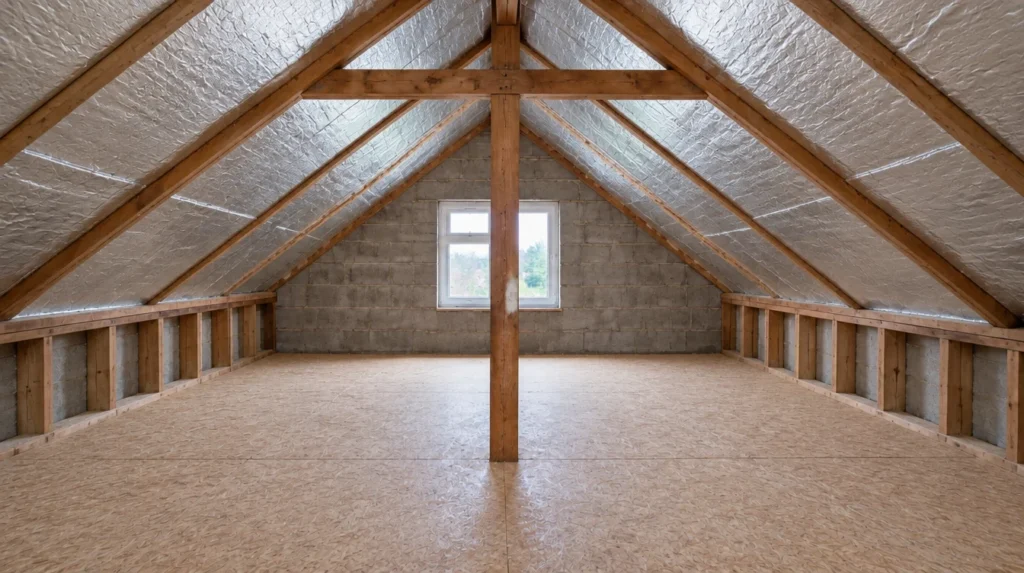
After installation we record the depth, the material and the areas covered, and give you a written handover with dated photos. Keep these with your property documents and show them to your energy assessor at your next EPC. Leaving a clear route through the loft, for example with raised boarding where storage is needed, also helps them measure the depth on the day.
Landlords and sellers
Privately rented homes in England and Wales must currently meet a minimum EPC rating of E, and the government has consulted on raising this to C by 2030. If you are planning a sale, a remortgage or a new tenancy, sorting the loft early gives your assessor accurate information to work with. Read more in our guide to how insulation affects your EPC rating.